Discovering the Potential: A Comprehensive Guide to Toyota Engine Technology
Within the field of automotive engineering, Toyota is distinguished by its dedication to innovation and reliability. This article examines the complexities within Toyota's diverse engine lineup, including progress made in hybrid technology and power upgrades. Each engine type offers unique benefits suited for different driving styles. Understanding these elements can greatly impact vehicle capability and fuel economy. The following sections will uncover valuable information that all Toyota owners should keep in mind.
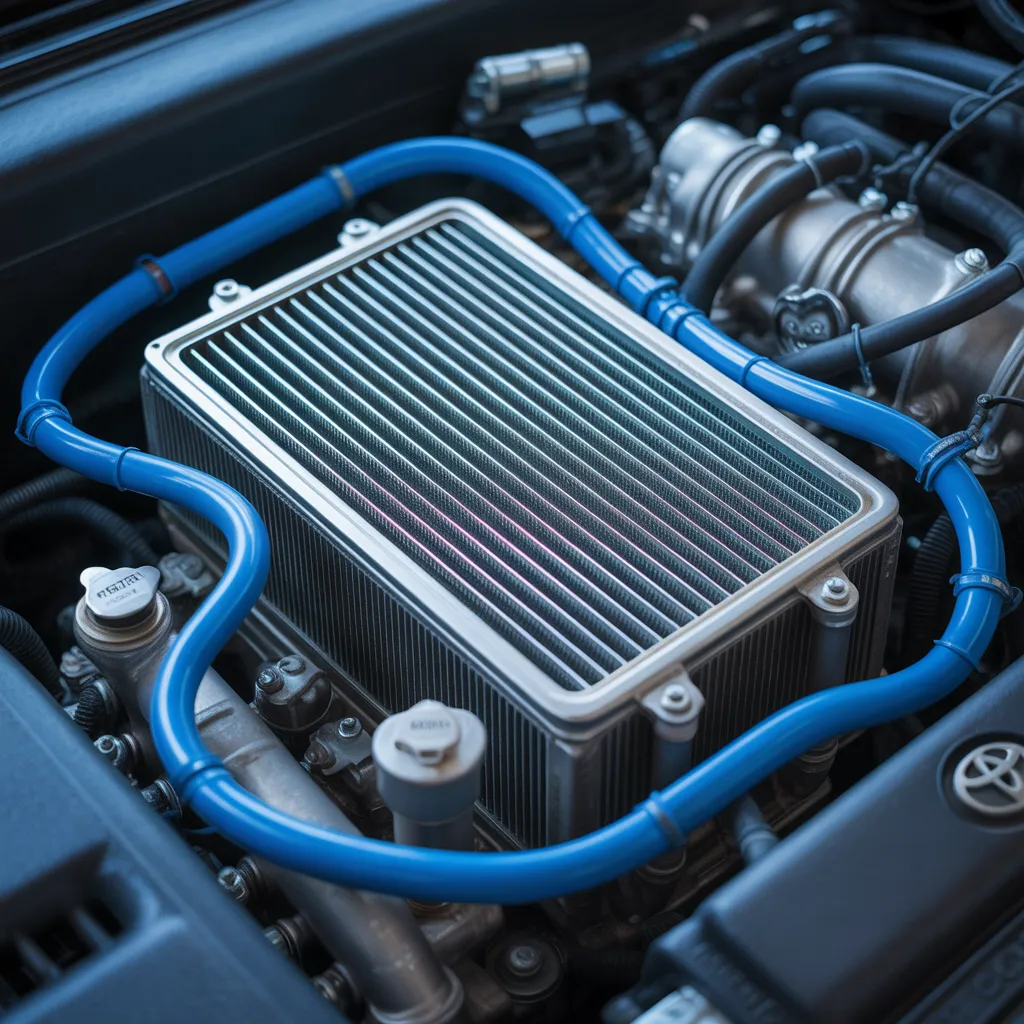
The Engineering Mastery Behind Toyota Engines
Toyota's engineering teams are committed to dependability, regularly going beyond industry standards during testing and development phases. This thorough methodology results in powertrains that not only deliver exceptional performance but also need fewer maintenance interventions as time goes on. Furthermore, the inclusion of state-of-the-art technological solutions, such as fuel injection systems and variable valve timing, enhances both power output and fuel efficiency.
Types of Toyota Engines and Their Special Features
Toyota's engine portfolio highlights a broad range of technologies, including innovative gasoline engines designed for performance and efficiency. The inclusion of hybrid technology greatly improves these engines, delivering considerable improvements in fuel efficiency and lower emissions. Understanding these unique features reveals Toyota's focus on sustainable engineering excellence.
Gasoline Engine Developments
A remarkable array of internal combustion engine breakthroughs defines Toyota's engineering excellence, showcasing multiple technologies aimed at improving output and effectiveness. Toyota's Dynamic Force Engine technology exemplifies this dedication, optimizing combustion and improving thermal efficiency. VVT-i systems further enhance responsiveness across a range of driving conditions, providing superior fuel savings without compromising performance. Furthermore, the development of turbocharged engines allows for compact designs that deliver exceptional thrust and speed. Toyota's emphasis on modern materials and precision engineering also contributes to lower drag and superior overall output. With the implementation of these pioneering technologies, Toyota continues to lead the industry, providing motorists with a combination of strength, economy, and dependability in their gasoline engines, defining new milestones in automotive excellence.
Hybrid Technology Advantages
Hybrid technology represents a significant advancement in vehicle engineering, combining the strengths of both gasoline and electric power to produce a greener and more economical driving check this resource experience. Toyota's pioneering systems, like the Hybrid Synergy Drive, enhance fuel performance while cutting down on emissions. This technology allows vehicles to operate on electric power at lower speeds, reducing fuel consumption and enhancing urban driving efficiency. Regenerative braking technology recovers energy that would otherwise be wasted during slowing down, thereby boosting fuel economy even further. Moreover, hybrid cars present the advantage of diminished dependence on non-renewable fuels, supporting environmental sustainability initiatives. With a seamless shift between electric and gasoline power, Toyota's hybrid models offer an exceptionally fluid driving experience, appealing to eco-conscious consumers who seek performance without compromising on environmental responsibility.
Discovering Toyota's Electric and Hybrid Engine Choices?
With the automotive industry placing a growing focus on sustainability, Toyota has established itself as a pioneer in hybrid and electric engine technology. The brand's innovative approach to hybridization began with the Prius, which established a standard for reduced emissions and fuel efficiency. Toyota's hybrid engines integrate a petrol engine with an electric motor, facilitating effortless switching between power sources to enhance both performance and efficiency.
Alongside hybrids, Toyota has broadened its lineup to feature fully electric vehicles, showcasing its focus on zero-emission driving. The company's electric models emphasize extended range performance and quick charging solutions, catering to the changing demands of sustainability-minded consumers.
In addition, Toyota is aggressively advancing hydrogen fuel cell technology, broadening its alternative powertrain portfolio. This diverse initiative not only solidifies Toyota's pledge toward sustainability but also establishes the company as a leader in the movement toward a greener automotive future.
Technologies Enhancing Performance and Efficiency
Toyota utilizes an array of advanced technologies to enhance both power and fuel economy across its engine offerings. One notable advancement is the Variable Valve Timing system, which enhances valve operations for superior power output and fuel economy. In addition, the use of direct fuel injection facilitates precise fuel delivery, enhancing combustion efficiency while minimizing emissions.
Turbo technology represents another significant advancement, permitting downsized engines to deliver increased output without compromising fuel consumption. Moreover, Toyota incorporates lightweight components in its engine design to reduce overall weight, resulting in enhanced performance and fuel efficiency.
The integration of hybrid technology further exemplifies Toyota's commitment to sustainability, merging electric and gasoline capabilities for superior performance. Furthermore, cutting-edge engine management systems routinely track and optimize engine parameters, making certain that performance and efficiency are optimized throughout a range of driving conditions. Together, these advancements reflect Toyota's unwavering commitment to engineering excellence.
Tips to Keep Your Toyota Engine Running Strong
Preserving optimal engine performance and long-term durability demands consistent attention and routine upkeep. Routine oil changes are essential; using the manufacturer-recommended oil type guarantees optimal lubrication. Monitoring coolant levels and maintaining the cooling system prevents overheating, which can lead to severe engine damage. Consistently examining and changing air filters promotes better airflow, optimizing combustion performance.
Moreover, conducting scheduled inspections of belts and hoses allows you to identify wear before it causes issues. Tire pressure should not be overlooked, as adequately inflated tires help lessen the burden on the engine. Preserving fuel system cleanliness is of great importance; using high-quality fuel and periodically adding fuel system cleaners can enhance performance.
Finally, complying with the maker's service intervals supports long-term engine performance. By adopting these maintenance habits, owners of Toyota vehicles can benefit from a robust engine that operates efficiently across many years of use, delivering dependable and efficient performance on the road.
Choosing the Right Toyota Engine for Your Driving Style
How can drivers select the ideal Toyota engine that aligns with their unique driving style? Having a clear grasp of the main engine categories offered is fundamental. For motorists focused on maximizing gas mileage, Toyota's hybrid engines, such as the one found in the Prius, offer exceptional mileage without sacrificing performance. Conversely, drivers seeking a sportier experience may prefer the turbocharged engines in models like the Camry TRD, which deliver an exhilarating driving experience.
For off-road enthusiasts, the robust engines in the Tacoma and 4Runner provide the essential torque and durability for demanding landscapes. Moreover, daily commuters may discover the smaller engines in the Corolla sufficient for city driving, emphasizing agility and ease of parking.
At the end of the day, examining one's own driving habits, desired performance, and sustainability concerns will point drivers toward the ideal Toyota engine, delivering a harmonious fit between the car's performance features and the driver's personal preferences.
Questions We Often Receive
What Does Toyota Do to Maintain Engine Reliability Over Time
Toyota maintains long-term engine reliability via strict testing protocols, premium materials, and sophisticated engineering methods. Consistent advancements based on thorough research and customer feedback further enhance durability, fostering sustained performance and a higher level of customer satisfaction.
What Are the Most Common Signs of Toyota Engine Trouble?
Frequent symptoms of Toyota engine issues include strange sounds, fluid leaks, reduced power, warning lights on the dashboard, overheating, and abnormal exhaust smoke. Identifying these warning signs promptly can reduce the risk of extensive damage and high repair costs.
Do Toyota Engines Work Well With Aftermarket Modifications?
Toyota engines are generally compatible with aftermarket modifications, permitting enthusiasts to boost performance and styling. That said, compatibility can differ depending on particular models and modifications, necessitating careful research and consideration for ideal results.
What Is the Best Way to Identify My Toyota Engine Model?
To identify a Toyota engine model, one may check the engine serial code stamped on the engine block, typically near the front. Furthermore, VIN numbers and manufacturer's owner's manuals provide essential information for proper identification.
What Maintenance Schedule Is Recommended for Toyota Engines?
Toyota engines generally require regular maintenance at intervals of 5,000 to 10,000 miles, such as oil changes, filter replacements, and thorough inspections. Following the manufacturer's recommendations secures top-tier performance and durability of the vehicle.